
Creating an Environment for Women in Automotive
One Leader's Intentional Approach

Tracey Fields spent years watching women excel at Premier Automotive Group, service managers, fixed operations leaders, finance managers, salespeople. They were talented, driven, capable. But when she looked at the general manager positions across the company's 38 dealerships, she saw a pattern that didn't match the talent pool: not a single female GM.
The realization hit during COVID, when industry conversation moved online and Tracey started noticing people talking about growing women in automotive. For a year, she didn't act, she absorbed. She followed individuals, dealership groups, Women In Automotive, anyone discussing the topic. She wasn't ready to put herself out there yet. "I have to get really comfortable with it before I'm going to put myself out there because I want to do it well," she explains.
She also had living proof that her boss, Troy, the same dealer she'd worked for since she was 22 years old, fresh out of college with a design degree, wasn't opposed to promoting women. In their corporate office of about a dozen people, half the executives were women. It wasn't that he was unwilling to give females opportunity. There just wasn't awareness that maybe they needed to pay more attention to it.
Then she asked a simple question that would change the trajectory of careers across her company: "Why don't we have any female GMs?"

Troy's response opened the door: "I love the idea. Let me know what you need."
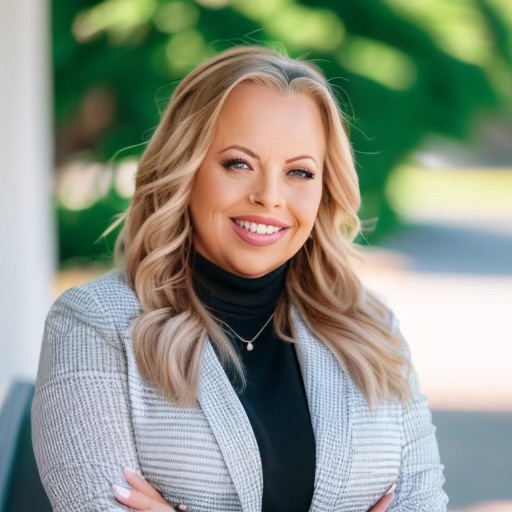
Today, nearly 30 years into her career at Premier, Tracey serves as Chief Experience Officer while leading retail image compliance. She's also the founder of Premier Women in Leadership an initiative that has produced two female general managers and created a culture where 33% of management positions are held by women. Her story isn't about waiting for permission, it's about seeing a gap, doing the research, and building something intentional.
Starting With Research: Learning From Those Already Doing It
When Tracey decided to create something for women at Premier, she didn't start by reinventing the wheel. She started by calling people who were already doing the work.
Faith London at Hudson Automotive became one of her primary resources. "I love what you're doing, creating Women of Hudson," Tracey told her. "I'd like to pick your brain because it's something I'd like to initiate here." Faith was generous with her time and insights, as was Ashley Convezos at Walter's Automotive at the time. Both women told her how they started, how they got engagement, what worked.
At her first Women In Automotive conference, Tracey attended the mentoring breakfast where participants rotated tables. Kathy Gilbert sat at her table, and when Tracey mentioned what she wanted to do, Kathy wrote down her name and followed up afterward offering support.
"I thought, this is amazing," Tracey recalls. "I don't even need people in Premier to help me with this. This is fabulous."

The pattern repeated itself again and again; women in automotive willing to share what they'd learned, offering guidance, celebrating others' efforts to create opportunities. Tracey spent months observing what different organizations were doing before launching her own initiative.
This approach matters more than you might think. Too many leaders see something missing and immediately try to build from scratch, convinced their situation is unique or that asking for help signals weakness. Tracey modeled something different: humble learning, borrowing what works, adapting ideas to her company's specific culture, and building on the foundation others had laid. She still calls Faith regularly with questions because Faith has been doing it longer. "I'm still learning," Tracey says without embarrassment.
Identifying the Gap: Beyond General Managers
When Tracey approached Troy, she didn't just point to the lack of female GMs. She had identified several rock stars, women excellent at what they did who, if interested in doing more, should be directly asked and given a path forward.
"I think we have a lot of untapped talent that we just don't realize we have," she told him.
Premier provided training to anyone who wanted it, but Tracey saw broader issues. The conversation in automotive tends to focus predominantly on sales. But accounting departments, often staffed by women, were steering the ship, organized, diligent, making things happen under pressure.
"I kind of wanted recognition for that," Tracey explains. "But also, I thought we need that throughout all our departments."
She'd also discovered women who wanted to learn different departments but didn't know they could. An accounting admin wanted to learn service writing. When Tracey said it was possible: "Wait, I can?"
The disconnect was clear. Premier wasn't preventing growth, they were failing to communicate what was possible. Women didn't know they could move up, move laterally, or simply invest in being the best at what they already did.
Building It Right: The Three-Year Rollout Strategy
Tracey launched Premier Women in Leadership in 2021 with a phased approach. Year one focused exclusively on female managers. "I wanted the managers to get comfortable with the concept. When I open it up to all the employees, I want you all to be familiar with what we're trying to accomplish and be willing to help navigate that."
She used that first year for feedback, asking managers about their stores' environments and what they thought would be beneficial. She had speakers come in on leadership topics and invested specifically in equipping the managers.
Year two rolled it out to all female employees. The managers were now equipped to support the initiative and answer questions in their stores.
Year three opened it to all colleagues, male and female. "I didn't want anyone to feel excluded," Tracey explains. "A lot of the workshops we offer are beneficial to everybody." When male colleagues signed up enthusiastically for financial workshops, she knew they were truly engaged.
This phased approach gave the initiative credibility before going company-wide, created advocates at the management level, and ensured equipped people in stores could address concerns. It wasn't a corporate mandate dropped from above, it was built with input from those who would implement it.
The Conference Investment: Creating Change Makers
Every year, Tracey sends women from Premier to the Women in Automotive conference. If she could bring everyone, she would. This year included 22-year-old Katelyn, who had asked to attend for two years. Her GM finally made it work this year.

Tracey also brought veteran employees from different departments, fixed operations, finance, all from stores where they didn't know each other. She told them ahead of time: "I really would like for you guys to pour into Katelyn because she's just in the business a couple years. You all are in different realms of it." And they did.
The transformation happens consistently. Women return with mindset changes and elevated confidence. "I think mostly they take back an escalated or a higher level of wanting to influence their environment and help be change makers," Tracey explains. "If we have enough of those in all the stores, that's fueling the company's growth."
That's what she wanted: to get people in each store who could be change makers, because one person can't do the whole company. When they return, they see what she sees and now she has support to help implement change.
Katelyn has become a prime example. She now runs weekly calls for women in her regional platform, schedules topics, and prepares content. At 22, as a single mom who's said yes to learning BDC, inventory management, and service tickets, anything they'll teach her, she's leading from exactly where she is.
Leading From Wherever You Are
That phrase "leading from wherever you are" captures something essential about Tracey's philosophy. You don't need to be a department manager to lead. You don't need a certain title or a specific role.
"In my opinion, people at administrative levels, sales levels, technician level, writer level, you don't need to be a department manager to lead. You can lead from wherever you are," she emphasizes.
If you're someone who's performing your job at a top level, you're leading from that position because the people around you in your environment see that and hopefully are motivated by it. That performance, that commitment to excellence, is contagious. It's example-setting. It's leadership.
This mindset shifts the conversation from waiting for promotion to influencing your environment right now. It empowers administrative assistants, technicians, BDC reps, and service writers to see themselves as leaders simply by doing excellent work and investing in themselves and others.
"So, when you invest in yourself and you invest in others and you come to these networking events, you're doing that and then you take it back and you lead from where you are," Tracey explains. "And so that's where you can get some momentum and success."
It's also why Tracey emphasizes that Premier Women in Leadership isn't just about climbing the ladder. She wanted to concentrate on personal development mixed with professional development because she feels they complement each other. Some women have no desire to move to the next level, they want to be the best at what they are, where they are. And she wants to invest in them too, help them be the best at what they do.
What Makes It Sustainable: Seeing the Impact
One employee emailed Tracey thanking her for the workshops and what she'd shared. The employee wrote that she took what she learned home and applied it with her kids. "So you influenced me and my family."
Tracey was at home when she read it. She started tearing up and read it to her husband. "This is everything," she told him.
When asked what accomplishment feels most meaningful, Tracey doesn't point to awards or numbers. She points to moments like that email. "When employees tell me that they got something out of what Premier Women in Leadership offered, I get so happy for them because I know that feeling and that's what I wanted them to feel."
Or when she sees the confidence shift, when Katelyn at 22 is scheduling calls, preparing topics, being a boss. "I tell her all the time how proud I am of her."
The impact extends beyond career development because Tracey blends personal and professional growth. When you invest in someone's confidence, communication skills, and ability to manage stress, you're making their whole life better, their families, their relationships, their sense of self-worth.
That's what makes it sustainable. It's not a disconnected corporate initiative. It's personal. It matters. People feel the difference.
The Practical Advice: How Others Can Start
For companies wanting to support women but not knowing where to begin, Tracey has clear advice: be prepared before you roll something out. Find someone who's already doing it, call them, and ask how they started.
"Anybody can call me. I'll talk for days and tell you whatever you want, but I'm still learning," Tracey says. "I still call Faith because she's done it longer. You'll be able to gauge the level you want to roll it out at or what scale."

Consider starting with managers. Get their feedback about the environment in their stores, about female engagement and training. Equip them so they can answer questions when you roll it out more broadly.
Don't just talk about supporting women, make it real. Create actual programs. Allocate resources. Send people to conferences. Offer workshops on topics your people actually need. And critically, make employees part of the decision-making process.
"Be willing to get feedback from your employees and not think that you know it all," Tracey emphasizes. As a leader, you can navigate it, but don't make all the decisions yourself. She aligns with her CMO who's 20 years younger because she learns from her. She works with people the same age as her adult children and learns from them too.
"You just always have to be willing to learn. Learning from the people that you work with who are aligned with the same goal, you need to get their feedback and make them part of the decision-making."
The Bigger Picture: Creating an Environment
When asked what she's really trying to do, Tracey pauses on "culture" and lands on "environment" something more tangible. Environment is how people experience their workplace every day: Do they feel valued? Do they see opportunities? Do they have support?
Premier's environment now includes female GMs where there were none, a 22-year-old leading weekly calls for other women, male colleagues in workshops alongside female peers, and employees comfortable asking to move departments.
The numbers tell part of the story: 33% of management positions held by women. But the real story lives in thank-you emails from employees, in women returning from conferences as change makers, in young people saying yes to every learning opportunity because they now see where those yeses can lead.
Your Turn to Build
Tracey's journey started with a year of research. It continued with calls to generous women willing to share what they'd learned. It evolved into a structured, phased program. And it's sustained by her willingness to keep learning and believing that investing in people creates ripples far beyond any single career.

Your company might not be ready for a full initiative yet. Start by asking one question. Find one woman doing excellent work and ask what opportunities she wishes existed. Call Tracey. She meant it when she said anybody can. Attend the Women in Automotive conference happening July 2026 in Austin, TX. Join the WIA Mentorship Program. Observe. Learn. Get comfortable with it.
Then build something intentional. Not a program that checks a box, but an environment that changes how people experience work. An environment where women don't just survive—they lead from wherever they are.
Because when you create that kind of environment, the culture takes care of itself.