
Inside WIA’s Mentorship Program: The Road That Builds Leaders
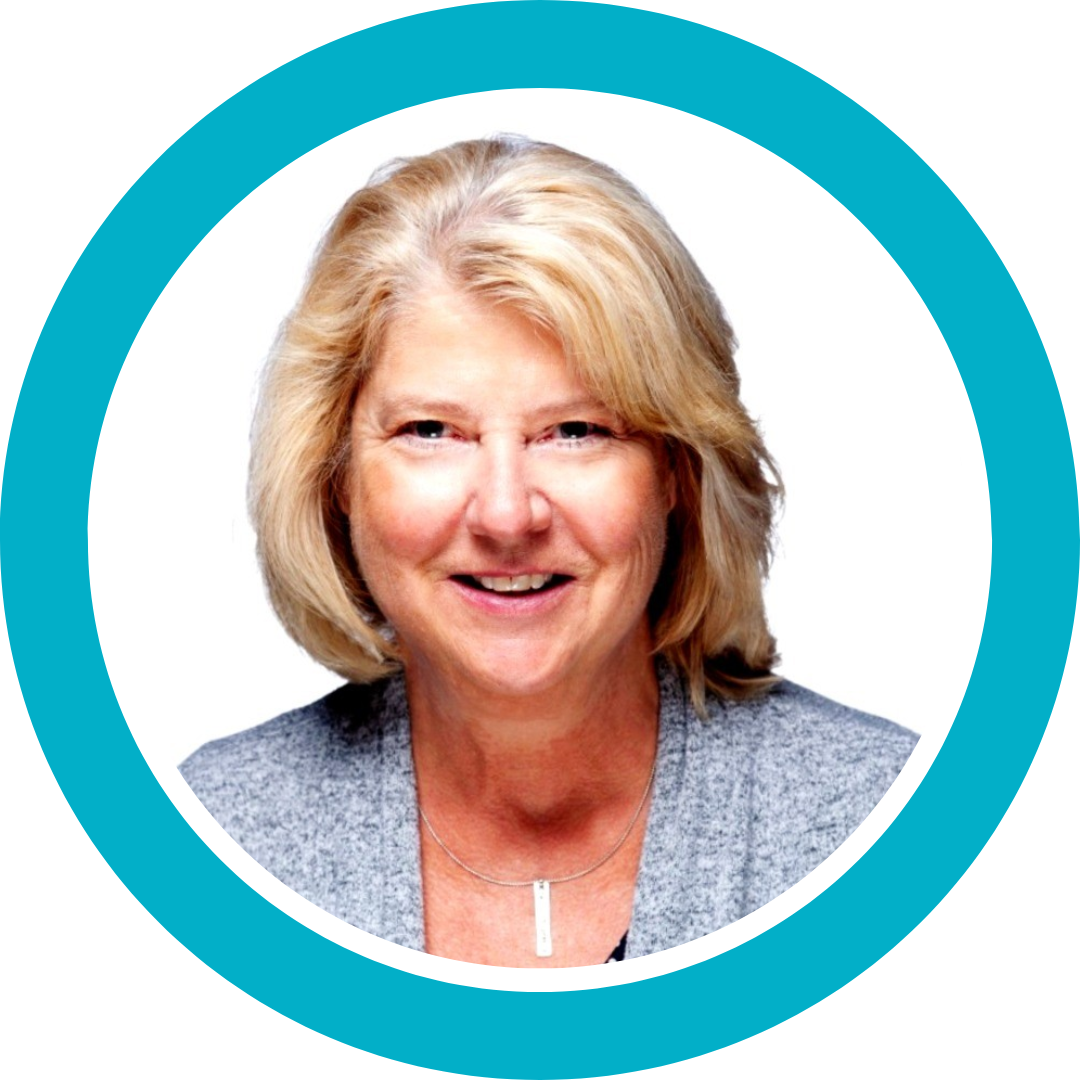
Kathryn Kittel
WIA Board Member, Mentorship Program Leader
Building Connections That Transform Careers
Kathryn Kittel spent 30 years navigating the automotive industry, often as the only woman at the table. The discomfort was constant, in meetings, in conversations, in spaces where her presence was still novel. Now, as the Board Member and Head of Mentoring for Women In Automotive, she’s working to make that road easier for the women coming behind her.

But here’s what caught me off guard during our conversation: Kathryn herself didn’t have formal mentors for most of her career. Mentorship, as we discuss it today, simply wasn’t part of the industry vocabulary until recently. Yet she’s leading the charge to build Women In Automotive’s revamped mentoring program, not in spite of that experience, but because of it.
“I want to help give back to the community,” Kathryn shares. “How do we help guide women in automotive and help them feel more comfortable? Because there’s a lot of uncomfortableness.” She pauses, and I can hear three decades of experience in that pause. “You’re sitting at a table and you’re uncomfortable. The conversations sometimes are uncomfortable. Women In Automotive and mentoring should hopefully help make the road easier.”
When Mentorship Happens Over Dinner
Kathryn’s most formative mentoring relationship wasn’t scheduled in a corporate program or tracked in a platform. It unfolded over dinners in Chicago with Kathy Gilbert, Head of DEI Strategy and Partnerships at CDK Global and WIA Governing Board Member during her years at CDK.

"When I became a manager, I started going to the corporate office in Hoffman Estates," she explains. For the first 15 years of her career, that office might as well have been on another planet. But once she gained access, something unexpected happened. Kathryn and Kathy made it a tradition to have dinner together during those quarterly visits.
"Kathy's really good at coaching and mentoring," Kathryn says, "but the other thing I take away from some of those dinners is that she would sometimes get out of that mode and we would just be having a conversation about where are we going in CDK, what are the challenges." She treasured those evenings, not because they followed a prescribed mentoring framework, but because they didn't.
This informal approach shaped how Kathryn thinks about mentorship today. "Mentoring happens in a lot of conversations you have with people. Sometimes you don't even realize it. Somebody says something and you're like, 'oh,' and you take something away from that. To me, that is a mentoring interaction."
Here's the truth she's learned: any conversation that makes you pause and reconsider your path, any exchange that shifts your perspective even slightly, that's mentorship in action. It doesn't require a title or a twelve-month commitment. It requires presence and generosity.
Building Structure Without Losing Soul
So how do you take something as organic as those Chicago dinners and create a program that serves an entire community? That's the challenge Kathryn and the Women In Automotive board are tackling head-on.
"I don't want to call it a refresh," Kathryn clarifies when I ask about the program updates. "The idea is being able to put something out there so that we are giving people the avenue to make the connections." She's less interested in over-formalizing the process and more focused on creating pathways, ways for women across different experience levels, departments, and personalities to find each other.
The new platform isn't about controlling relationships; it's about tracking impact. "We've got this many relationships going; how do we know we're being successful if we don't have some sort of tracking mechanism?" Kathryn asks. It's one of Women In Automotive's core pillars: measure what matters. The platform helps the organization understand which connections are thriving and where support might be needed.

The matching process is designed to be intelligent but not prescriptive. The system analyzes profiles to suggest compatible pairings based on goals, experience, and interests. But here's what Kathryn wants every potential mentee to understand: "Just because a person wasn't a speaker or on the board of Women In Automotive doesn't mean that they're not worthy to be a mentor."
She's noticed a pattern. Mentees are gravitating toward the highest-profile names, the Veronica Dunfords, the Kathy Gilberts. And while those women are exceptional mentors, they're also in incredibly high demand. "We've got a lot of quality out there," Kathryn emphasizes. "There are women who have started their own businesses, women in the C-suite. I'm hoping that everybody digs a little deeper."
The practical requirements are straightforward: meet one to two hours per month. Document your meetings in the platform. Set goals together and track progress. Have a real "get to know you" first meeting with no agenda beyond building trust.
But if you're looking for the secret ingredient, Kathryn is direct: "I don't think the system is going to play a major part in the magic thing. I think it's going to be up to those in the program."
The Magic Is in the Investment
Kathryn references the old saying about leading horses to water. The platform provides the avenue. The matching process creates the introduction. But the relationship itself? That's entirely up to the people involved.
"We can lead a horse to water, but we cannot make it drink," she says plainly. "We're giving you the connections. The magic's going to come from the effort of both the mentees and mentors to build that relationship and that chemistry."
During our conversation, I push on this point: would vulnerability be key to making these relationships work?
"Yes, because that again is investment," Kathryn responds immediately. But she adds another layer: showing up matters just as much. "Don't cancel your meetings. Be committed to the relationship. If there's homework to do, do the homework. It's a way of showing respect for the relationship."
This isn't just feel-good advice. Kathryn is describing the mechanics of how professional relationships actually function. Vulnerability creates depth. Consistency creates trust. Together, they create the conditions where real growth becomes possible.
She recalls a conversation from the 2025 Women In Automotive conference. Someone approached her and said, "I've only been in the industry for seven years, so I don't think I can be a mentor."
Kathryn's response was immediate: "Seven years. Just think about what you've learned in seven years. You have knowledge to share."
Here's what she wants every woman in automotive to understand: you don't need a corner office or three decades of experience to mentor someone. You just need to be a few steps ahead on the path.
She shares a story that perfectly illustrates this principle. While volunteering with the Alzheimer's Association, Kathryn attended a committee meeting for a small-town walk in Owatonna, nothing like the massive Twin Cities event she was used to. During the meeting, someone mentioned how much a local grocery chain contributed to their 200-person walk. That detail sparked something.
"I took that thought away thinking, wait a minute, this chain is in the Twin Cities. Now I've got a negotiation point to say, 'in your small markets, you're giving this much money. What can we do in the Twin Cities market?'"
The lesson came from an unexpected place, from people she might have assumed had less experience than her. "When you're listening to a conversation, you're like, wait a minute, there's some information here that might help me grow or be more successful." That's mentorship, learning from every conversation, every perspective, every life experience someone is willing to share.
Rethinking What "Qualified" Means
One of the most persistent barriers to mentorship is the voice that whispers, "I'm not ready yet. I'm not experienced enough. I haven't achieved enough."

Kathryn has a different framework. "I'm a firm believer that a person's life experience and talking about your life experience with another person is just a way for that person to learn and grow."
She pushes back against the idea that mentors need to be vetted or interviewed to prove their worth. "There are different perspectives. As you go through life, you gain different perspectives, and being able to share those with another person, that person can either take some information from those conversations and say, 'hey, that's a really good idea,' or 'that's really not for me.' But it gives them material to work with."
This is particularly important for women early in their careers. "Let's say I'm just coming out of college one to two years or I've only been in automotive one to two years. Do I necessarily need to talk to a CEO at this point? Not really. I would like to be mentored by somebody who's walked in my shoes a little bit."
You don't go from zero to 60 in two seconds. You find someone who remembers what it was like to navigate your current challenges. Someone who can say, "I felt that discomfort too. Here's what helped me."
What Success Actually Looks Like
Kathryn is refreshingly honest about what to expect from this program. "With any new program, I don't know if it's going to fire on all cylinders right away. I think it's going to take a little bit of time and a little bit of coaxing and coaching, but we'll get there."
She's building in mechanisms for feedback and adjustment. If a pairing doesn't click, mentees can reach out to realign. If communication styles clash despite good intentions, that's information the program can use to improve future matches. The goal isn't perfection from day one.
"I'd rather have an imperfect start than no start at all," Kathryn says, and it's clear this philosophy extends beyond the mentoring program. Too many initiatives die in the planning stages because leaders are waiting for every variable to be controlled, every outcome guaranteed.
Kathryn isn't wired that way. "I was this organized, check-the-boxes person," she admits, "but in retirement I'm learning to not be that way. I want the avenue to be out there. I want us to be able to get the relationships going, and I think we'll find success. The road may not be straight."
As the program grows, Kathryn envisions something powerful: a panel at next year's conference featuring mentors and mentees sharing their stories. Not filtered or polished but real conversations about what worked, what surprised them, how the relationships developed. Those testimonials could become the program's most effective recruiting tool.
"As we build successful mentoring relationships, you can't help but grow people in leadership skills," Kathryn observes. This is how transformation happens, not through grand pronouncements, but through steady investment in individual connections that compound over time.
The Culture Being Built
When Kathryn and the Women In Automotive board reached out to the 2025 conference speakers and asked them to serve as mentors, the response has been an overwhelming resounding yes.
What does that enthusiasm signal? "Everybody understands the importance of having an organization like this and being able to support it. It's very clear that there's a need for this within the community." Some of those speakers aren't even from automotive, but they recognized something essential in what Women In Automotive is building.
This isn't about creating an exclusive club or gatekeeping knowledge. It's about acknowledging a simple reality: the automotive industry has historically been uncomfortable for women, and that discomfort has cost the industry talent, innovation, and perspectives it desperately needs.
Kathryn believes what Veronica Dunford and Kathy Gilbert have brought to Women In Automotive has made it "a very user-friendly, very accepting, very welcoming organization." And while she acknowledges it wasn't always that way, the current leadership has created something different; a space where women can ask the questions they're afraid to ask elsewhere, where "Am I on the right road? Am I in the right industry?" aren't signs of weakness but starting points for meaningful conversations.
Your Invitation to the Journey

If you're reading this and thinking, "Maybe I should get involved, but I'm not sure I'm ready," Kathryn has a message for you: just do it.
"What do you got to lose?" she asks, and it's a fair question. The time commitment is modest, just one to two hours per month. The structure provides enough guidance to prevent relationships from stalling while leaving plenty of room for organic connection. And if it doesn't work out? "That's fine too."
But here's what you might gain: a relationship that makes the discomfort a little more manageable. A perspective that shifts how you see your own capabilities. A reminder that you're not navigating this industry alone.
For those considering becoming mentors, remember what Kathryn emphasized throughout our conversation: you don't need to be at the finish line to help someone else move forward. You just need to be a few steps ahead, willing to share what you've learned, and committed to showing up.
The magic isn't in the matching algorithm or the tracking platform. It's in two people deciding that the relationship matters enough to invest in it. It's in the vulnerability of admitting you don't have all the answers and the courage to share what you've figured out so far. It's in showing up for those monthly meetings even when the calendar is packed and remembering that someone once (maybe informally, maybe over dinner in Chicago) showed up for you.
The Women In Automotive mentoring program is live now. The road ahead may not be perfectly straight, but it's open. And there are women traveling it right alongside you, ready to share what they know, eager to learn from what you bring.
Your difference is your strength. Your experience, even if it feels limited, has value. And the community waiting for you at Women In Automotive understands that the path forward isn't about going it alone.
It's about making the road easier for everyone who comes after.
Ready to join the Women In Automotive mentoring program? Visit the Women In Automotive website to create your profile, explore potential mentors or mentees, and become part of a community that believes in the transformative power of women supporting women. Whether you have seven years of experience or thirty, there's a place for you in this journey.